


Economics
The European Union and the Philippines reached a substantial free‑trade agreement on Tuesday that would eliminate tariffs on more than 94% of bilateral trade, EU officials said.

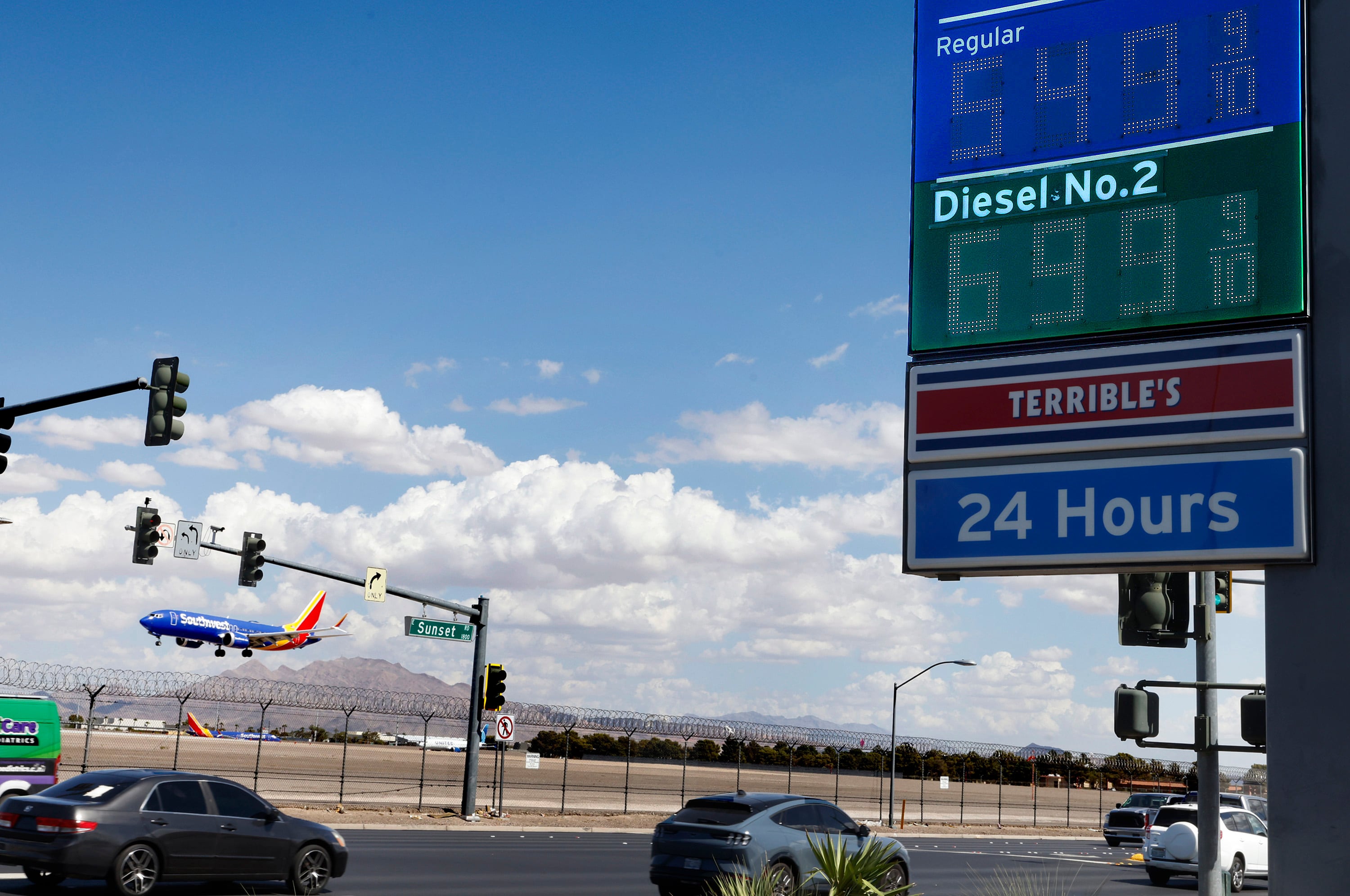
Germany’s federal cabinet approved a temporary energy-tax cut on petrol and diesel, effective Oct. 1, lowering prices by about 14–17 cents per liter through December.
China urged the European Union to reduce protectionism and deepen trade ties, while EU institutions and member states demanded investment safeguards and conditions to protect strategic autonomy.

Surging energy and fuel prices prompted European governments to press coalitions for faster reforms and cost‑containment measures, raising fears of a fresh inflation wave.

Ineos halted production at three chemical plants in Hull on Tuesday, saying it could not compete because the UK’s “ridiculously high” gas prices made operations uneconomic.

U.S. stocks closed mixed on Wall Street Tuesday as AI-driven gains pushed major tech firms to record highs while oil prices tumbled, dragging energy shares lower.

Global government bond yields climbed recently, producing negative returns for U.S. Treasuries and steeper losses abroad, and left investors wary of the risk of an abrupt further rise.

German economic forecasters sharply raised growth forecasts as the economy recovered, but the Bundesbank warned of a temporary third‑quarter slowdown and analysts cautioned political risks could derail gains.
