Economics
European Union and the Philippines reached a substantial free‑trade agreement that eliminated about 94% of tariffs, opening markets for goods including machinery, medicines and pork.
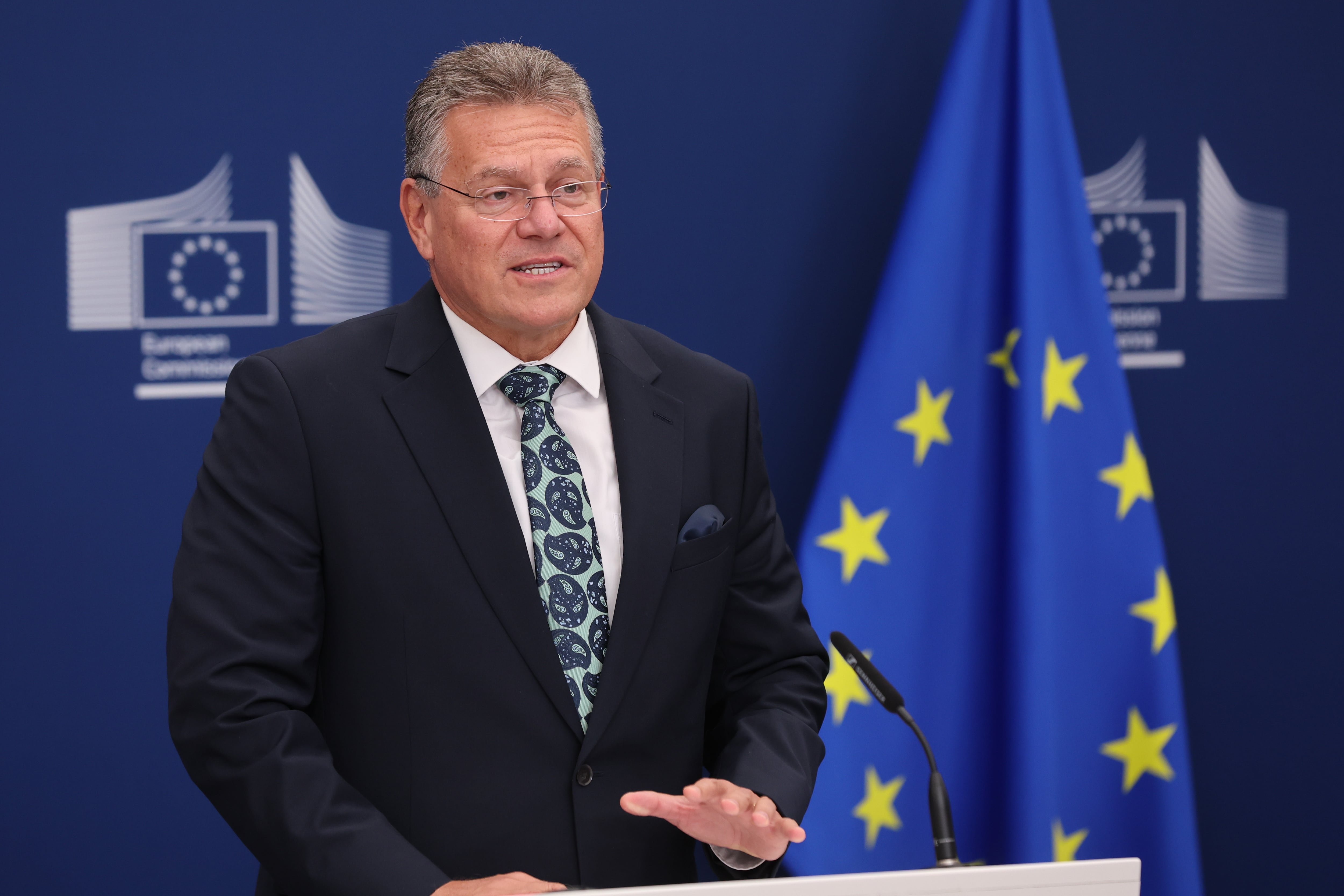
EU imports from China tripled EU exports, leaving a July trade deficit above €1 billion per day and heightened pressure in Brussels to curb the imbalance.

The German federal cabinet approved a temporary cut to the energy tax on petrol and diesel starting Oct. 1, though reports conflicted on size (14 vs. 17¢) and duration.
Central bankers warned that new jumps in oil and gas prices threatened to prolong inflation across major economies and would likely prompt further monetary tightening.

Global government bond yields rose, cutting returns and pressuring equity markets, and analysts warned the risk of an abrupt further yield spike remained despite recent small pullbacks.

Ineos, owned by Sir Jim Ratcliffe, idled three chemical plants in Hull on Tuesday and blamed "ridiculously high" gas prices that made UK operations uncompetitive.

German economic research institutes doubled their growth forecasts, saying the economy had begun to recover, but analysts warned political reforms and temporary headwinds could threaten the rebound.

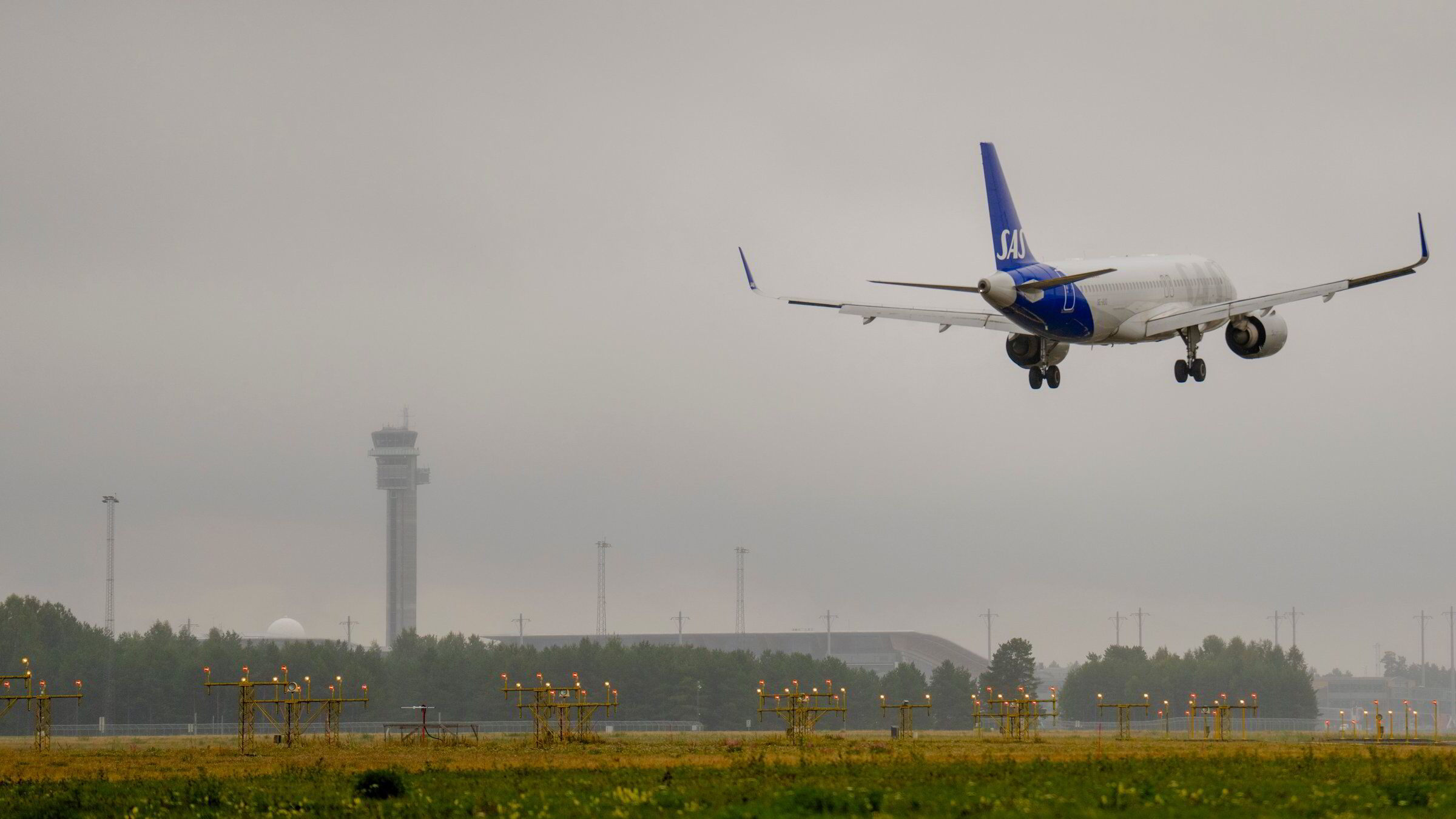
Scandinavian carrier SAS said higher fuel prices would cost the airline 3.3 billion kroner in the current fiscal year, citing rising jet-fuel costs.