


Power costs weaken German competitiveness
3m
Electricity costs remained high in parts of Europe, with German industry facing a competitiveness gap and southern Swedish consumers bracing for their costliest November bills in four years.
by Andrew Watt

Europe needs to draw the lessons.
How much gasoline does that displace?
At 15 kWh/100 km vs. 7.5 l/100 km:
600M kWh ÷ 0.15 × 0.075 ÷ 159 l/bbl
≈ 1.9 million barrels/day
And that’s before counting 20 mn private home chargers.
robbieandrew.github.io/china/
Europe needs to draw the lessons.
Reposted by Christopher McCabe

The government is giving each household £100, BUT our energy bills are going up by £443
It is time to take National Grid back into public hands and use Great British Energy as a publicly owned producer of renewables
Public ownership NOW

The government is giving each household £100, BUT our energy bills are going up by £443
It is time to take National Grid back into public hands and use Great British Energy as a publicly owned producer of renewables
Public ownership NOW
by Andrew Watt
China has pursued a long-term strategy aimed at ensuring energy autonomy while establishing technological predominance in clean tech. Electrification + renewables are key.
Europe must stop creating bolt holes for its car industry to stick to the tech of the past.

China has pursued a long-term strategy aimed at ensuring energy autonomy while establishing technological predominance in clean tech. Electrification + renewables are key.
Europe must stop creating bolt holes for its car industry to stick to the tech of the past.
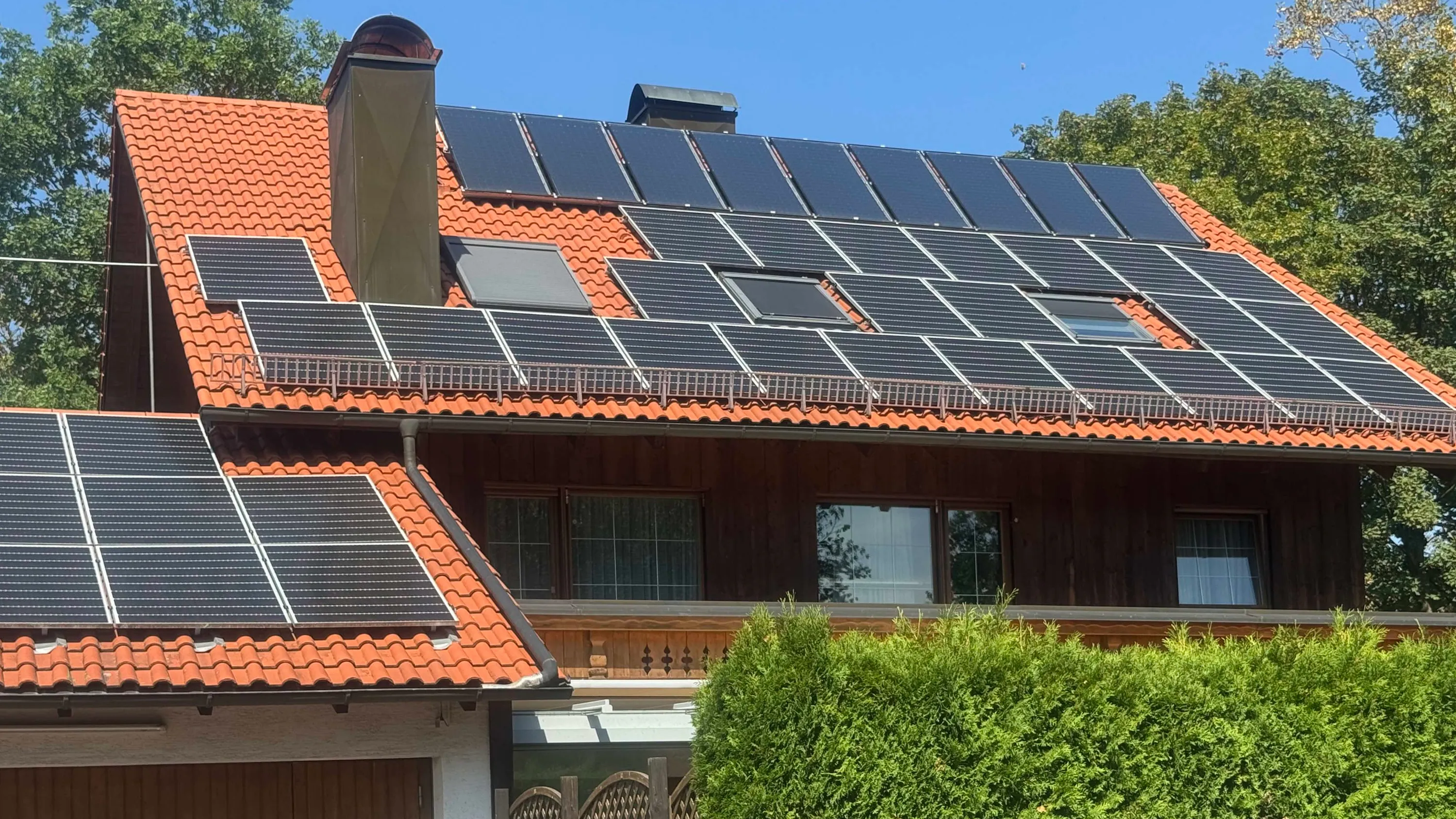
by Paul Dorfman

davidtoke.substack.com/p/renewables...

davidtoke.substack.com/p/renewables...
by Andrew Watt
The latter two things are clearly European public goods, but we lack meaningful ways to finance them.
The latter two things are clearly European public goods, but we lack meaningful ways to finance them.

by David Toke


Reposted by Andrew Watt

How much gasoline does that displace?
At 15 kWh/100 km vs. 7.5 l/100 km:
600M kWh ÷ 0.15 × 0.075 ÷ 159 l/bbl
≈ 1.9 million barrels/day
And that’s before counting 20 mn private home chargers.
robbieandrew.github.io/china/

How much gasoline does that displace?
At 15 kWh/100 km vs. 7.5 l/100 km:
600M kWh ÷ 0.15 × 0.075 ÷ 159 l/bbl
≈ 1.9 million barrels/day
And that’s before counting 20 mn private home chargers.