




Finally out:
Rohrer, J. M., & Wenz, S. E. (2024). Inappropriate causal assumptions underlie Killingsworth, Kahneman, and Mellers’ conclusions. PNAS, 121(46). www.pnas.org/doi/10.1073/...
#methods #methodology #causality #causalinference #sociology #psychology #SciComment #quantileregression
Rohrer, J. M., & Wenz, S. E. (2024). Inappropriate causal assumptions underlie Killingsworth, Kahneman, and Mellers’ conclusions. PNAS, 121(46). www.pnas.org/doi/10.1073/...
#methods #methodology #causality #causalinference #sociology #psychology #SciComment #quantileregression

Inappropriate causal assumptions underlie Killingsworth, Kahneman, and Mellers’ conclusions | PNAS
Inappropriate causal assumptions underlie Killingsworth, Kahneman, and Mellers’ conclusions
www.pnas.org
November 4, 2024 at 12:10 PM
Finally out:
Rohrer, J. M., & Wenz, S. E. (2024). Inappropriate causal assumptions underlie Killingsworth, Kahneman, and Mellers’ conclusions. PNAS, 121(46). www.pnas.org/doi/10.1073/...
#methods #methodology #causality #causalinference #sociology #psychology #SciComment #quantileregression
Rohrer, J. M., & Wenz, S. E. (2024). Inappropriate causal assumptions underlie Killingsworth, Kahneman, and Mellers’ conclusions. PNAS, 121(46). www.pnas.org/doi/10.1073/...
#methods #methodology #causality #causalinference #sociology #psychology #SciComment #quantileregression


Let us discuss and review the entire catalogue of these new proofs of God:
#SciComment
#SciComment

February 27, 2024 at 8:49 PM
Let us discuss and review the entire catalogue of these new proofs of God:
#SciComment
#SciComment

Q: What do 40% of papers on animal stroke experiments have in common?
A: Fake data.
So found a study published Thursday in @plosbiology.org
journals.plos.org/plosbiology/...
🧪 #ResearchIntegrity #SciComment
A: Fake data.
So found a study published Thursday in @plosbiology.org
journals.plos.org/plosbiology/...
🧪 #ResearchIntegrity #SciComment

High prevalence of articles with image-related problems in animal studies of subarachnoid hemorrhage and low rates of correction by publishers
Unchallenged erroneous articles can undermine scientific progress and mislead future research. This study shows that image-related issues affect 40% of reviewed articles on early brain injury in anima...
journals.plos.org
November 3, 2025 at 5:19 AM
Q: What do 40% of papers on animal stroke experiments have in common?
A: Fake data.
So found a study published Thursday in @plosbiology.org
journals.plos.org/plosbiology/...
🧪 #ResearchIntegrity #SciComment
A: Fake data.
So found a study published Thursday in @plosbiology.org
journals.plos.org/plosbiology/...
🧪 #ResearchIntegrity #SciComment

Como afirma Sandra Ferreira en Ética, subjetividad y política📖: “el sujeto ético no es el que simplemente obedece, sino el que reflexiona, el que se pregunta, el que decide en función del otro y con el otro en mente”. 🤔👥 #scicomment
August 28, 2025 at 5:49 PM
Como afirma Sandra Ferreira en Ética, subjetividad y política📖: “el sujeto ético no es el que simplemente obedece, sino el que reflexiona, el que se pregunta, el que decide en función del otro y con el otro en mente”. 🤔👥 #scicomment
En contextos donde se confunde lo público con lo privado, y la institucionalidad queda sometida al interés de las facciones, el Estado ya no representa a la ciudadanía. 💲💵 🏢 #scicomment
August 21, 2025 at 8:08 PM
En contextos donde se confunde lo público con lo privado, y la institucionalidad queda sometida al interés de las facciones, el Estado ya no representa a la ciudadanía. 💲💵 🏢 #scicomment

#SciComment
So which is the greater threat to Science
- Artificial Ignorance bull-bots entering the peer-reviewed chat, or wholly valid discoveries being made outside it...?
(asking for a time traveller...)
So which is the greater threat to Science
- Artificial Ignorance bull-bots entering the peer-reviewed chat, or wholly valid discoveries being made outside it...?
(asking for a time traveller...)


March 28, 2024 at 7:06 PM
#SciComment
So which is the greater threat to Science
- Artificial Ignorance bull-bots entering the peer-reviewed chat, or wholly valid discoveries being made outside it...?
(asking for a time traveller...)
So which is the greater threat to Science
- Artificial Ignorance bull-bots entering the peer-reviewed chat, or wholly valid discoveries being made outside it...?
(asking for a time traveller...)

3/3
The paper introduces the "Molehill Effect" as a framework for thinking about specialization, fragmentation, and integration in contemporary science.🧪
I'm curious whether others have encountered similar challenges in their own disciplines.
#ResearchIntegrity
#philsci
#SciWri
#metasci
#SciComment
The paper introduces the "Molehill Effect" as a framework for thinking about specialization, fragmentation, and integration in contemporary science.🧪
I'm curious whether others have encountered similar challenges in their own disciplines.
#ResearchIntegrity
#philsci
#SciWri
#metasci
#SciComment

July 14, 2026 at 11:36 AM
3/3
The paper introduces the "Molehill Effect" as a framework for thinking about specialization, fragmentation, and integration in contemporary science.🧪
I'm curious whether others have encountered similar challenges in their own disciplines.
#ResearchIntegrity
#philsci
#SciWri
#metasci
#SciComment
The paper introduces the "Molehill Effect" as a framework for thinking about specialization, fragmentation, and integration in contemporary science.🧪
I'm curious whether others have encountered similar challenges in their own disciplines.
#ResearchIntegrity
#philsci
#SciWri
#metasci
#SciComment
2/3
Our paper explores how increasing specialization can produce highly effective 🧪research niches while simultaneously making knowledge integration and interdisciplinary work more difficult.
Not because researchers fail.
Because the system is optimized for depth.
#philsci
#SciWri
#SciComment
Our paper explores how increasing specialization can produce highly effective 🧪research niches while simultaneously making knowledge integration and interdisciplinary work more difficult.
Not because researchers fail.
Because the system is optimized for depth.
#philsci
#SciWri
#SciComment
July 14, 2026 at 11:36 AM
2/3
Our paper explores how increasing specialization can produce highly effective 🧪research niches while simultaneously making knowledge integration and interdisciplinary work more difficult.
Not because researchers fail.
Because the system is optimized for depth.
#philsci
#SciWri
#SciComment
Our paper explores how increasing specialization can produce highly effective 🧪research niches while simultaneously making knowledge integration and interdisciplinary work more difficult.
Not because researchers fail.
Because the system is optimized for depth.
#philsci
#SciWri
#SciComment
1/3
Have you ever discovered that another field had already addressed a problem your discipline was struggling with?
Or found relevant research🧪 years after it could have been useful?
This experience may be more common than we think.
#HyperSpecialization
#philsci
#SciWri
#metasci
#SciComment
Have you ever discovered that another field had already addressed a problem your discipline was struggling with?
Or found relevant research🧪 years after it could have been useful?
This experience may be more common than we think.
#HyperSpecialization
#philsci
#SciWri
#metasci
#SciComment

Overspecialization and the Fragmentation of Scientific Knowledge – The Molehill Effect: How Niche Research, Consensus-Based Objectivity, and Missing Integration Shape Contemporary Research Epistemolog...
Contemporary scientific research is characterized by increasing specialization, resulting in fragmented knowledge structures across disciplines. This article introduces the concept of the Molehill Eff...
www.academia.edu
July 14, 2026 at 11:36 AM
1/3
Have you ever discovered that another field had already addressed a problem your discipline was struggling with?
Or found relevant research🧪 years after it could have been useful?
This experience may be more common than we think.
#HyperSpecialization
#philsci
#SciWri
#metasci
#SciComment
Have you ever discovered that another field had already addressed a problem your discipline was struggling with?
Or found relevant research🧪 years after it could have been useful?
This experience may be more common than we think.
#HyperSpecialization
#philsci
#SciWri
#metasci
#SciComment
3/3
We see this pattern across different areas — from debates around string theory in physics to long-standing challenges in antibiotic research.
I wrote a full blog post exploring how this works across levels of 🧪science: research-reviewer.blogspot.com/2025/11/grou...
#philsci
#sciwri
#scicomment
We see this pattern across different areas — from debates around string theory in physics to long-standing challenges in antibiotic research.
I wrote a full blog post exploring how this works across levels of 🧪science: research-reviewer.blogspot.com/2025/11/grou...
#philsci
#sciwri
#scicomment
May 31, 2026 at 10:24 AM
3/3
We see this pattern across different areas — from debates around string theory in physics to long-standing challenges in antibiotic research.
I wrote a full blog post exploring how this works across levels of 🧪science: research-reviewer.blogspot.com/2025/11/grou...
#philsci
#sciwri
#scicomment
We see this pattern across different areas — from debates around string theory in physics to long-standing challenges in antibiotic research.
I wrote a full blog post exploring how this works across levels of 🧪science: research-reviewer.blogspot.com/2025/11/grou...
#philsci
#sciwri
#scicomment
2/3
This connects directly to 🧪 scientific gatekeeping. Funding decisions, peer review, and academic networks often reinforce dominant ideas.
Over time, this can make alternative approaches harder to publish or even pursue.
#ResearchIntegrity
#PhilSci
#ScientificGroupthink
#SciWri
#SciComment
This connects directly to 🧪 scientific gatekeeping. Funding decisions, peer review, and academic networks often reinforce dominant ideas.
Over time, this can make alternative approaches harder to publish or even pursue.
#ResearchIntegrity
#PhilSci
#ScientificGroupthink
#SciWri
#SciComment
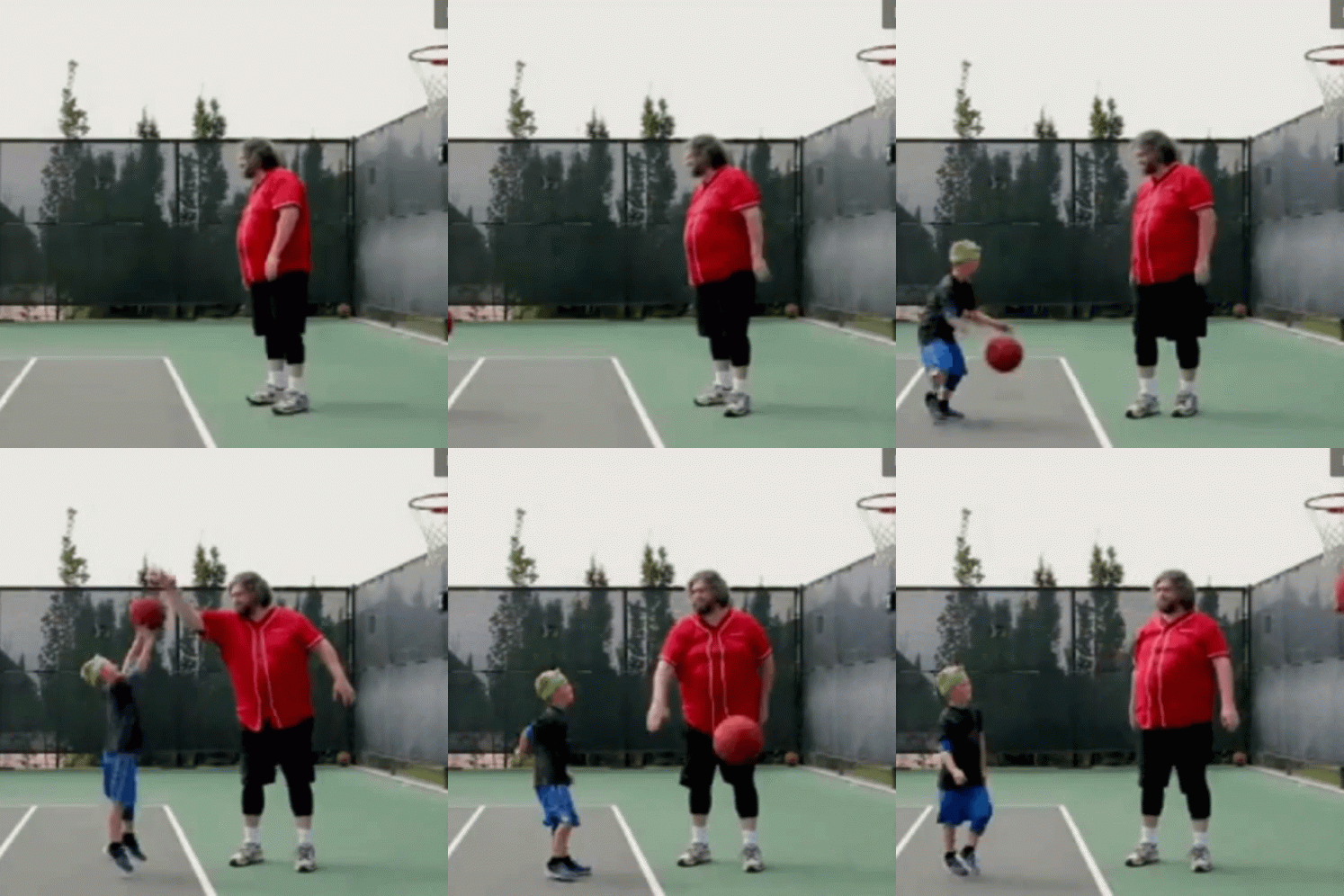
a man in a red shirt and black shorts is standing on a basketball court
Alt: an unfair basketball game: A small boy is approaching the basket. A big man is blocking him.
media.tenor.com
May 31, 2026 at 10:24 AM
2/3
This connects directly to 🧪 scientific gatekeeping. Funding decisions, peer review, and academic networks often reinforce dominant ideas.
Over time, this can make alternative approaches harder to publish or even pursue.
#ResearchIntegrity
#PhilSci
#ScientificGroupthink
#SciWri
#SciComment
This connects directly to 🧪 scientific gatekeeping. Funding decisions, peer review, and academic networks often reinforce dominant ideas.
Over time, this can make alternative approaches harder to publish or even pursue.
#ResearchIntegrity
#PhilSci
#ScientificGroupthink
#SciWri
#SciComment
1/3
Groupthink in science 🧪 isn’t just a team problem. It can shape entire fields — what gets studied, what gets funded, and what is considered “good science” in the first place.
#ResearchIntegrity
#PhilSci
#ScientificGroupthink
#SciWri
#ResearchEthics
#SciComment
#InstitutionalBias
Groupthink in science 🧪 isn’t just a team problem. It can shape entire fields — what gets studied, what gets funded, and what is considered “good science” in the first place.
#ResearchIntegrity
#PhilSci
#ScientificGroupthink
#SciWri
#ResearchEthics
#SciComment
#InstitutionalBias

The Consensus Trap: How Groupthink and Gatekeeping Shape Modern Science
Examining groupthink and institutional gatekeeping in science: how conformity, funding, and consensus can limit innovation across entire disciplines.
research-reviewer.blogspot.com
May 31, 2026 at 10:24 AM
1/3
Groupthink in science 🧪 isn’t just a team problem. It can shape entire fields — what gets studied, what gets funded, and what is considered “good science” in the first place.
#ResearchIntegrity
#PhilSci
#ScientificGroupthink
#SciWri
#ResearchEthics
#SciComment
#InstitutionalBias
Groupthink in science 🧪 isn’t just a team problem. It can shape entire fields — what gets studied, what gets funded, and what is considered “good science” in the first place.
#ResearchIntegrity
#PhilSci
#ScientificGroupthink
#SciWri
#ResearchEthics
#SciComment
#InstitutionalBias
I explore this tension between precision and perspective in my latest paper, examining how science can thrive when we balance specialization with broader inquiry.
🧪 #Interdisciplinarity #ResearchIntegrity #SciWri #SciComm #philsci #SciComment #ResearchQuality #ScienceIntegrity #ResearchEthics
🧪 #Interdisciplinarity #ResearchIntegrity #SciWri #SciComm #philsci #SciComment #ResearchQuality #ScienceIntegrity #ResearchEthics

(PDF) Overspecialization and the Fragmentation of Scientific Knowledge -The Molehill Effect How Niche Research, Consensus-Based Objectivity, and Missing Integration Shape Contemporary Research Epistem...
PDF | Contemporary scientific research is characterized by increasing specialization, resulting in fragmented knowledge structures across disciplines.... | Find, read and cite all the research you nee...
tinyurl.com
February 15, 2026 at 1:19 PM
I explore this tension between precision and perspective in my latest paper, examining how science can thrive when we balance specialization with broader inquiry.
🧪 #Interdisciplinarity #ResearchIntegrity #SciWri #SciComm #philsci #SciComment #ResearchQuality #ScienceIntegrity #ResearchEthics
🧪 #Interdisciplinarity #ResearchIntegrity #SciWri #SciComm #philsci #SciComment #ResearchQuality #ScienceIntegrity #ResearchEthics
3/3
When criticism is met with “this is just how science works,” curiosity turns into compliance. Defending systems is easier than questioning them—but it’s not the same as defending science. Where do you see this line being blurred?
#ScienceCritique
#SciComment
#philsci
#SciWri
#ResearchIntegrity
🧪
When criticism is met with “this is just how science works,” curiosity turns into compliance. Defending systems is easier than questioning them—but it’s not the same as defending science. Where do you see this line being blurred?
#ScienceCritique
#SciComment
#philsci
#SciWri
#ResearchIntegrity
🧪

a man in a green coat is holding a container
Alt: a man in a lab coat is putting a container down while saying: "Why!?! Because it's science. That's why!"
media.tenor.com
January 7, 2026 at 4:20 PM
3/3
When criticism is met with “this is just how science works,” curiosity turns into compliance. Defending systems is easier than questioning them—but it’s not the same as defending science. Where do you see this line being blurred?
#ScienceCritique
#SciComment
#philsci
#SciWri
#ResearchIntegrity
🧪
When criticism is met with “this is just how science works,” curiosity turns into compliance. Defending systems is easier than questioning them—but it’s not the same as defending science. Where do you see this line being blurred?
#ScienceCritique
#SciComment
#philsci
#SciWri
#ResearchIntegrity
🧪
2/3
What we rarely ask: when scientists defend “science,” what are we actually defending?
Critical inquiry—or the funding structures, incentives, and career systems wrapped around it?
These are not the same thing, but they’re often treated as one.
#ResearchPolicy
#SciComment
#philsci
#SciWri
🧪
What we rarely ask: when scientists defend “science,” what are we actually defending?
Critical inquiry—or the funding structures, incentives, and career systems wrapped around it?
These are not the same thing, but they’re often treated as one.
#ResearchPolicy
#SciComment
#philsci
#SciWri
🧪
January 7, 2026 at 4:20 PM
2/3
What we rarely ask: when scientists defend “science,” what are we actually defending?
Critical inquiry—or the funding structures, incentives, and career systems wrapped around it?
These are not the same thing, but they’re often treated as one.
#ResearchPolicy
#SciComment
#philsci
#SciWri
🧪
What we rarely ask: when scientists defend “science,” what are we actually defending?
Critical inquiry—or the funding structures, incentives, and career systems wrapped around it?
These are not the same thing, but they’re often treated as one.
#ResearchPolicy
#SciComment
#philsci
#SciWri
🧪
1/3
Public trust in science is eroding. Not because people suddenly reject evidence, but because “science” is often presented as unquestionable authority.
“Trust this—because it’s science.” That used to work. It doesn’t anymore.
#ResearchIntegrity
#SciComment
#philsci
#SciWri
#TrustInScience
🧪
Public trust in science is eroding. Not because people suddenly reject evidence, but because “science” is often presented as unquestionable authority.
“Trust this—because it’s science.” That used to work. It doesn’t anymore.
#ResearchIntegrity
#SciComment
#philsci
#SciWri
#TrustInScience
🧪
January 7, 2026 at 4:20 PM
1/3
Public trust in science is eroding. Not because people suddenly reject evidence, but because “science” is often presented as unquestionable authority.
“Trust this—because it’s science.” That used to work. It doesn’t anymore.
#ResearchIntegrity
#SciComment
#philsci
#SciWri
#TrustInScience
🧪
Public trust in science is eroding. Not because people suddenly reject evidence, but because “science” is often presented as unquestionable authority.
“Trust this—because it’s science.” That used to work. It doesn’t anymore.
#ResearchIntegrity
#SciComment
#philsci
#SciWri
#TrustInScience
🧪
Exactly. Science critique is most important. I saw that you're also in it. I'm newbie on this platform. Could you recommend some feeds or their Hashtags.
I'm currently using:
metasci
philsci
sciwri
SciComment
I'm currently using:
metasci
philsci
sciwri
SciComment
December 1, 2025 at 11:24 AM
Exactly. Science critique is most important. I saw that you're also in it. I'm newbie on this platform. Could you recommend some feeds or their Hashtags.
I'm currently using:
metasci
philsci
sciwri
SciComment
I'm currently using:
metasci
philsci
sciwri
SciComment

The big lesson? Pastoralists’ voices matter. Their knowledge is key to building climate resilience and sustainable land use.
Read the full blog 👇
repairproject.org/Blog/underst...
#SciPol #envhum #ecology #ecosystems #SciComment
Read the full blog 👇
repairproject.org/Blog/underst...
#SciPol #envhum #ecology #ecosystems #SciComment

Understanding pastoralism in southern Madagascar - REPAiR project
Understanding the cultures and contexts of pastoralism in Madagascar is vital to supporting resilience in rangelands.
repairproject.org
June 16, 2025 at 10:56 AM
The big lesson? Pastoralists’ voices matter. Their knowledge is key to building climate resilience and sustainable land use.
Read the full blog 👇
repairproject.org/Blog/underst...
#SciPol #envhum #ecology #ecosystems #SciComment
Read the full blog 👇
repairproject.org/Blog/underst...
#SciPol #envhum #ecology #ecosystems #SciComment
Epiphytes are underrepresented on the Red List. Our findings suggest they should be front and centre in plant conservation.
📄 Read the full Nature Plants paper here: www.nature.com/articles/s41...
#PlantScience #conservation #HiSciSky #SciComment #epiphytes #biodiversity
📄 Read the full Nature Plants paper here: www.nature.com/articles/s41...
#PlantScience #conservation #HiSciSky #SciComment #epiphytes #biodiversity


June 13, 2025 at 9:05 AM
Epiphytes are underrepresented on the Red List. Our findings suggest they should be front and centre in plant conservation.
📄 Read the full Nature Plants paper here: www.nature.com/articles/s41...
#PlantScience #conservation #HiSciSky #SciComment #epiphytes #biodiversity
📄 Read the full Nature Plants paper here: www.nature.com/articles/s41...
#PlantScience #conservation #HiSciSky #SciComment #epiphytes #biodiversity

This is so simple but so important. If you make an error, fix it!
#SciComment
#SciComment
Those correction notices, in full. (Yes, it’s possible to directly admit and learn from error.)
statmodeling.stat.columbia.edu/2024/11/24/t...
statmodeling.stat.columbia.edu/2024/11/24/t...
Those correction notices, in full. (Yes, it’s possible to directly admit and learn from error.) | Statistical Modeling, Causal Inference, and Social Science
statmodeling.stat.columbia.edu
November 24, 2024 at 5:35 PM
This is so simple but so important. If you make an error, fix it!
#SciComment
#SciComment

I wrote a critical comment on a paper about income and happiness by Killingsworth, Kahneman, and Mellers.
www.pnas.org/doi/10.1073/...
The location of the happiness plateau was assumed not estimated, the pattern isn't robust, and we need to treat this as the thorny causal inference problem it is.
www.pnas.org/doi/10.1073/...
The location of the happiness plateau was assumed not estimated, the pattern isn't robust, and we need to treat this as the thorny causal inference problem it is.


November 1, 2024 at 6:17 AM

Another study that does not mention *many* papers in which we see eg that resting state functionally connectivity is - or can be - disrupted in epilepsy. Localized functional networks in the epileptic brain should not be assumed to be a good model for intact-brain regional cognitive processing.

Neural pathway for visual object coding in the human temporal lobe: http://osf.io/37epc/
October 22, 2024 at 6:55 PM
Ultimately, bad science is allowed to proliferate in large part due to slow or unconcerned editors. Kudos to this journal's editors!
#SciComment
#SciComment

This is well worth reading. Very quick and decisive action by the editors. Authors tried to play the non-response game, the editors told them if they did not respond and produce the data that the paper would be retracted. Suddenly, the authors became cooperative! doi.org/10.1037/cdp0...

October 9, 2024 at 8:47 PM
Ultimately, bad science is allowed to proliferate in large part due to slow or unconcerned editors. Kudos to this journal's editors!
#SciComment
#SciComment